Installing Vue.js

[vc_row][vc_column width=”1/1″][vc_tta_tabs style=”modern” shape=”square” active_section=”1″ css_animation=”bounceIn”][vc_tta_section title=”Tab 1″ tab_id=”1751323679048-d65b517e-3267″][vc_column_text]I am text block. Click edit button to change this text. Lorem ipsum dolor sit amet, consectetur adipiscing elit. Ut elit tellus, luctus nec ullamcorper mattis, pulvinar dapibus leo. 1111111111111111[/vc_column_text][/vc_tta_section][vc_tta_section title=”Tab 2″ tab_id=”1751323679052-b473328f-02fa”][vc_column_text]I am text block. Click edit button to change this text. Lorem ipsum dolor sit … Read more

CSS Selectors

Selector Types

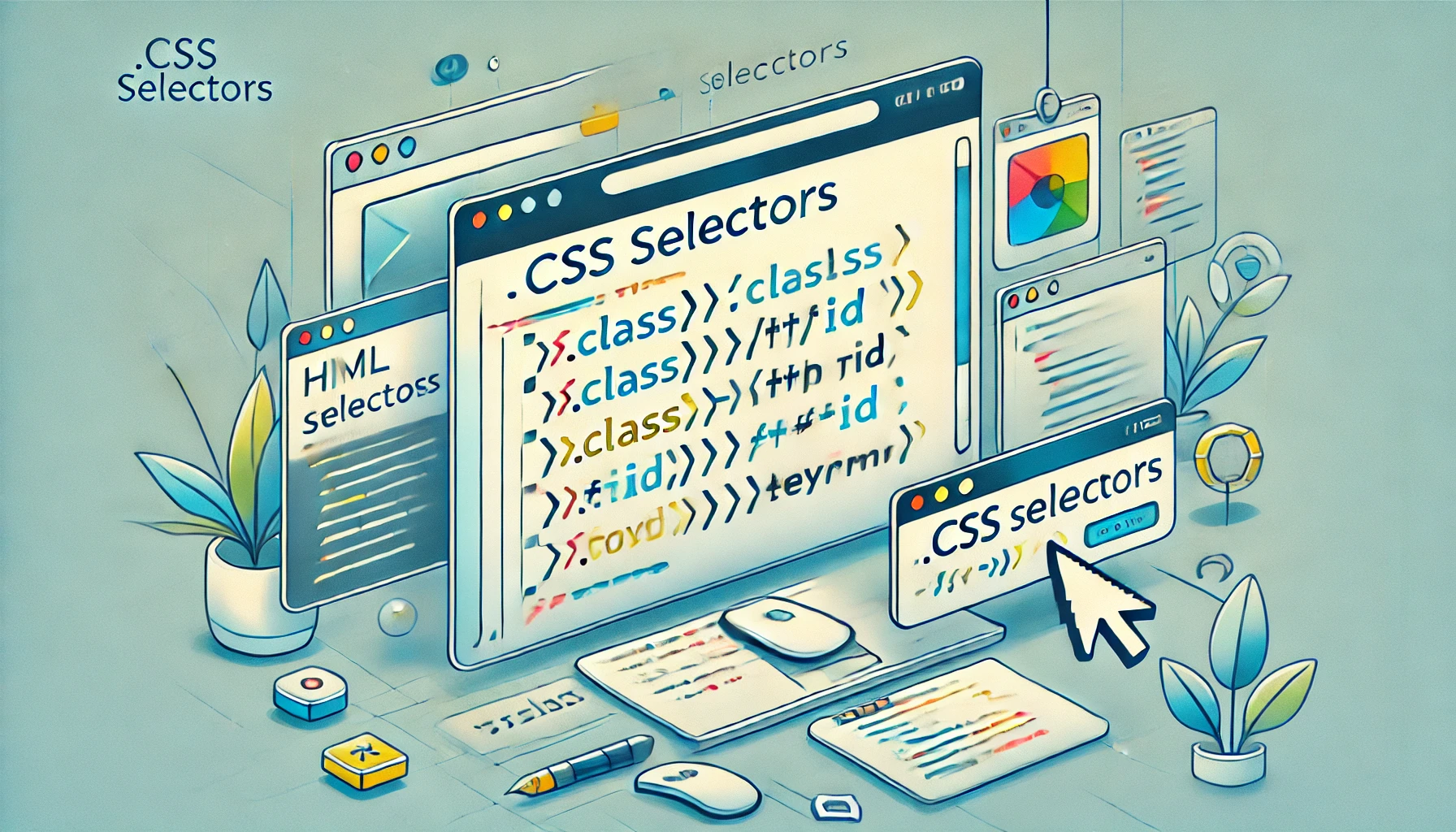
CSS selectors are part of CSS syntax that determine which HTML elements CSS rules will be applied to.

Universal selector

The universal selector is denoted by * (asterisk), and its characteristic is that it selects all elements. This selector is commonly used when resetting styles.

Example

Defined by HTML element type

These are the simplest selectors and are defined by the name of the HTML element they target.

Example

or

Defined by element class

These selectors “target” HTML elements that contain a specific class.

Example

A selector that targets a class is denoted with . (dot) before the class name.

Defined by element ID

These selectors “target” HTML elements that contain a specific ID. They are denoted with the # sign before the ID name.

Example

A selector that targets an element with a specific ID is denoted with the # sign before the ID.

Read more

Structured Data (Schema.org)

What is structured data markup?

slika ×

Structured data markup (eng.“Structured data markup”) is an additional way to mark up website content. It enables machines (read: search engines) to better understand the content of a web page, and thereby display search results related to that page more effectively (see the image).

Structured content markup is implemented using the knowledge that different types of content have their own specific characteristics. Those specific content characteristics are collected in one place in the form of a vocabulary (eng. vocabulary). Vocabularies are sets of property/value pairs that describe content in more detail. The major search engines Google, Microsoft, and Yahoo agreed to standardize properties into a single vocabulary called schema.org. Each specific content type has its own set of pairs, so content related to a restaurant is described by the following properties:

  • opening hours
  • address
  • reservations
  • menu

while content related to a book is described by the following properties:

  • number of pages
  • ISBN number
  • illustrator

Property names standardized within the schema.org vocabulary can be embedded in web pages through three different syntaxes:

  • Microdata
  • RDFa
  • JSON-LD

The choice of syntax is left to the developer and their personal preference.

Read more

Grouping Content with HTML Tags

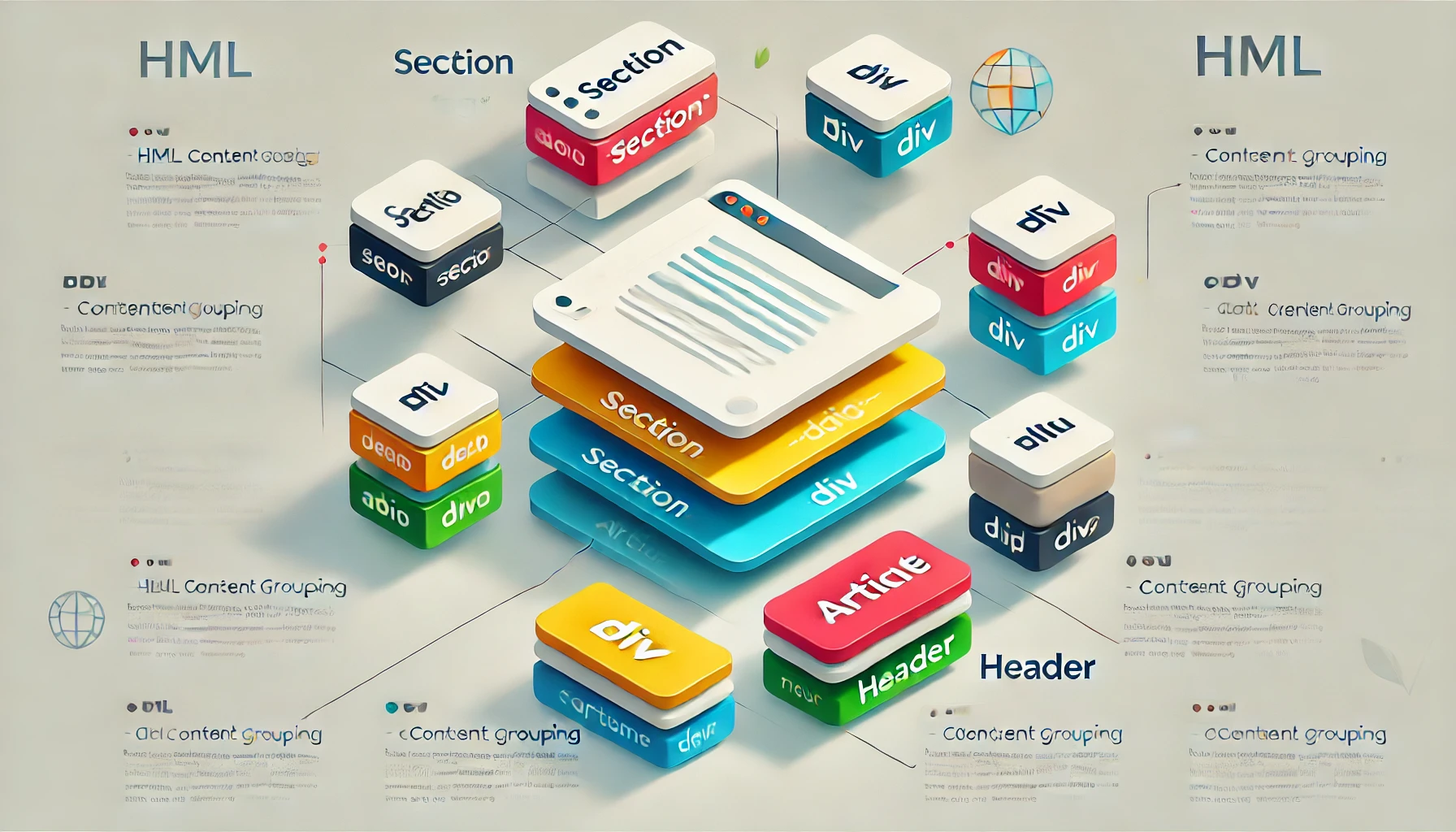
Which Tags Are Used for Grouping Content? It is often necessary to group parts of page content to distinguish them from other parts (e.g., menu, content, article…) and to define their specific size and position on the page using CSS. Grouping is simply done by placing content within an appropriate grouping tag. By default, none … Read more

Basic HTML Tags

<h> Tag Heading tags are used to mark titles and headings on a page. The largest and most important heading is marked with <h1>, while the smallest heading is marked with the <h6> tag. See the Pen HTML Headings by Web programiranje (@chos) on CodePen. <p> Tag The paragraph tag is used to place regular, … Read more

Introduction to HTML Basics

What is HTML? HTML (Hypertext Markup Language) is a descriptive language used to mark up specific parts of a web page’s content (a so-called markup language). Who uses these content markers? These content markers are used by browsers. Only when they “see” the appropriate HTML tag do they know what type of content they are … Read more